Maida Vale rubbish removal Randolph Avenue resident guide
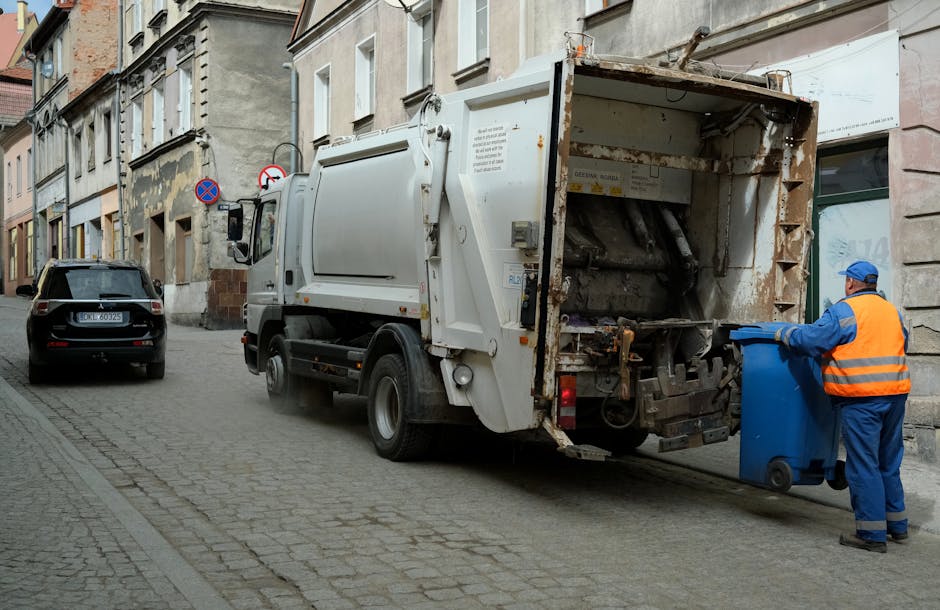
If you live on Randolph Avenue, you already know that rubbish removal is never just about getting rid of "stuff". It is about timing, access, neighbours, parking, stairwells, and making sure the job gets done without turning your hallway into a temporary storage unit. This Maida Vale rubbish removal Randolph Avenue resident guide is built for exactly that reality. Whether you are clearing a flat after a move, shifting old furniture out of a basement room, or dealing with a pile of builders' debris after a refresh, the right approach saves time, stress, and a fair bit of back-and-forth.
In Maida Vale, the practical details matter. Randolph Avenue has the mix you would expect from central London living: elegant period buildings, shared entrances, tight access points, and residents who value a quiet, tidy street. So the best rubbish removal plan is usually the one that feels organised from the start. Below, you will find a clear, local-friendly guide to what rubbish removal involves, how it works, what to watch out for, and how to choose the most sensible option for your situation.
Why Maida Vale rubbish removal Randolph Avenue resident guide Matters
Rubbish removal in a street like Randolph Avenue is not quite the same as dragging a bag or two to the kerb in a quieter suburban road. Access can be awkward, parking can be limited, and shared entrances mean you have to think about other residents as much as your own timetable. That is why a local guide is useful: it helps you plan the job properly instead of improvising on the day.
For residents, the biggest pain points tend to be surprisingly ordinary. A sofa that will not fit through the stairwell. A fridge that is too heavy to shift safely. Old boxes in the loft that have been ignored for years. A builder turning up late, or a van blocking the street longer than expected. None of this is dramatic, but it can be frustrating. And if you have ever tried moving a wardrobe down a narrow Maida Vale landing without scratching the walls, you will know what I mean.
Good rubbish removal matters because it protects your time, your property, and your neighbourly relationships. It also helps you avoid the false economy of a "cheap" option that ends up being slow, messy, or unsuitable for your building. In a place like Randolph Avenue, small details make a big difference.
Expert summary: If the waste is bulky, awkward, mixed, or time-sensitive, plan the removal around access first and price second. In central London living, the route out of the building often matters more than the item itself.
How Maida Vale rubbish removal Randolph Avenue resident guide Works
Most rubbish removal jobs follow a fairly simple pattern, although the specifics depend on the type and volume of waste. For Randolph Avenue residents, the usual process starts with an assessment of what needs to go, where it is located, and how easy it is to remove safely.
In practice, that means checking whether the waste is in a flat, basement, loft, garage, garden, or storage space. It also means considering stairs, lifts, door widths, and whether there is anywhere sensible for a van to stop. If you are in a mansion block or a converted house, there may be shared access rules that need a little extra care. Nothing exotic. Just the normal realities of London homes.
A professional clearance service typically handles loading, transport, sorting, and disposal. Depending on the waste, items may be reused, recycled, or disposed of responsibly. For residents who want to understand the broader service scope, the site's main waste removal page gives a useful overview, while the recycling and sustainability page is worth reading if you care about what happens after the collection.
One small but important point: not everything can go in the same pile. Fridges, mattresses, rubble, furniture, and confidential paperwork all need slightly different handling. That is normal. In a real home, waste is rarely neat and tidy. It tends to arrive in awkward little clusters, as though it has been waiting for a bad time to become your problem.
Key Benefits and Practical Advantages
The obvious benefit is that your waste disappears. But the better benefits are the ones you feel afterwards: a clearer hallway, a usable room, less stress, and a space that feels back under control. That can be a relief, especially if you are juggling work, family, and the usual London chaos.
- Faster turnaround: Ideal when you need a flat, room, or communal area cleared quickly.
- Less physical strain: Heavy lifting, bending, and awkward carrying are handled for you.
- Better access management: Useful on streets where parking and loading space are limited.
- Cleaner finish: The job is not just taking things away; it is leaving the area tidy too.
- More flexible than DIY disposal: Helpful when you have mixed items or cannot spend a whole day making trips.
There is also the peace-of-mind factor. You are less likely to end up with a half-finished job, damaged walls, or a pile of waste hanging around "just for now". Let's face it, "just for now" can become six weeks very quickly.
For larger clearances, the convenience is even more obvious. A full flat clearance, a loft clear-out, or a home refresh can be done in one visit if the planning is right. That is where services like flat clearance, home clearance, and house clearance become especially practical.
Who This Is For and When It Makes Sense
This kind of rubbish removal guide is useful for a wide mix of Randolph Avenue residents. You might be a long-term homeowner finally clearing the loft. You might be a tenant moving out of a flat and need a quick, no-nonsense clearance before checkout. You might be managing a refurbishment and need builders' waste gone before the next stage starts. Different situation, same need: get the waste removed cleanly and without fuss.
It makes particular sense if you have any of the following:
- bulky furniture that is hard to lift or manoeuvre
- mixed household rubbish that cannot go out in ordinary bins
- old appliances, including fridges or freezers
- bags of renovation debris after light building work
- garage, loft, or basement clutter that has built up over time
- mattresses, sofas, or other awkward soft furnishings
- business waste from a home office or small workspace
If your waste is mostly cardboard, small bags, or light decluttering, you may not need a full clearance service. But if you are looking at a room that feels a bit lost under old belongings, professional removal can be the simplest reset button.
Residents on Randolph Avenue often want a quiet, respectful service as much as a quick one. That is fair enough. Shared entrances, close neighbours, and parking pressure mean the service needs to fit the building, not fight it.
Step-by-Step Guidance
Here is the simplest way to approach rubbish removal without overcomplicating it. This is the part most people wish they had done earlier.
- Identify the waste clearly. Separate furniture, rubble, appliances, garden waste, paperwork, and general junk into rough groups.
- Check access. Measure doorways if needed, note stair flights, and think about where lifting will be awkward.
- Decide what really needs to go. Be honest. If you have not used it in years and it is not sentimental, it may be time.
- Look for service fit. Match the job to the service type. For example, builders' debris is not the same as a bedroom clear-out.
- Ask about handling special items. Fridges, mattresses, sofas, and hazardous materials can require specific arrangements.
- Prepare the space. Move fragile items, clear a path, and keep communal areas tidy before the team arrives.
- Confirm the collection point. If the items are in a basement or upper floor, make sure the route is obvious and safe.
- Review the final load. A quick check before departure avoids missed items and saves a second visit.
For many residents, a practical first step is simply checking prices and booking options through pricing and quotes or going straight to book online if the job is already clear in your mind. If you are still unsure, that is fine too. It is better to pause and plan than to rush into the wrong service.
Expert Tips for Better Results
Over the years, a few patterns show up again and again. The jobs that go well are usually the ones where the resident has thought about access, item types, and timing before collection day. Nothing glamorous there, but it works.
- Group similar items together: It helps speed up loading and reduces the chance of overlooked waste.
- Photograph bulky items in advance: Handy if you want to clarify what needs removing before the team arrives.
- Leave a clean route: A clear hallway or landing can save a surprising amount of time.
- Think about neighbours: Avoid peak noise times where possible, especially in shared buildings.
- Keep valuables separate: Old drawers and cupboards have a talent for hiding passports, photos, and random cables no one can explain.
- Be realistic about what you can lift: If you need two people to move it safely, treat it that way from the start.
If your clearance involves pieces of furniture, a separate service like furniture clearance or furniture disposal may be the cleanest route. Sofas and mattresses are common pain points in Maida Vale flats, and they are often more awkward than they first appear. A mattress looks innocent until you try turning it on a stair landing. Then it becomes a bit of a nightmare, truth be told.
For mixed household projects, services such as loft clearance, garage clearance, or house clearance can help keep things organised when the waste is spread across several rooms.
Common Mistakes to Avoid
The biggest mistake is underestimating the job. A couple of black bags can turn into a van-load once you start pulling things out from under beds, behind wardrobes, and inside cupboards. That happens all the time. It is almost funny, until you are the one carrying it.
Other common mistakes include:
- Not checking access first: Especially risky in older buildings with tight stairs or narrow entries.
- Mixing all waste together: This can slow the job and create problems if special handling is needed.
- Leaving the booking too late: Last-minute jobs are possible, but they often feel more stressful than they need to.
- Forgetting special items: Fridges, appliances, and hazardous materials should not be treated like ordinary rubbish.
- Assuming everything is recyclable in the same way: Sorting matters, even if you do not see all the behind-the-scenes steps.
- Not telling the service about stairs or parking restrictions: This can change timing and loading plans quite a bit.
If you are clearing out after a renovation, the wrong approach is to treat builders' debris like household clutter. Use the right service for the right waste stream. For that kind of job, builders' waste clearance is the more appropriate route.
One more thing: do not leave bags in communal hallways longer than necessary. It sounds obvious, but in shared London buildings, even a short delay can become a nuisance.
Tools, Resources and Recommendations
You do not need specialist equipment for most resident clearances, but a few basics help enormously. A tape measure, sturdy gloves, good lighting, and some basic labelling can save time and avoid mistakes. If you are sorting a room yourself before collection, stack items safely and keep walkways open.
Useful resources on the website include:
- what can go in a skip - helpful for understanding typical waste categories and exclusions
- hazardous waste disposal - important if you have chemicals, paint, or other risky items
- fridge and appliance removal - useful for bulky electrical items
- mattress and sofa disposal - ideal for soft furnishings and large awkward items
- confidential shredding - sensible if paperwork is part of the job
For residents who want a more eco-conscious outcome, the recycling and sustainability page is a good reminder that disposal does not have to mean simple dumping. Responsible sorting and recovery are part of modern waste handling, and they matter more than many people realise.
If you are weighing service standards, the pages on insurance and safety and health and safety policy are worth a look. They help set expectations for professional handling, especially in busy residential buildings.
Law, Compliance, Standards, or Best Practice
Waste disposal in the UK is not something to treat casually. The practical rule of thumb is simple: waste should be removed, transported, and handled by people who understand their responsibilities and the item types involved. Residents do not need to become waste-law experts, but they should be cautious about who removes their rubbish and how it is handled.
Best practice usually includes proper segregation, safe lifting, sensible vehicle loading, and responsible disposal or recovery of materials where possible. Special care should be taken with electrical items, sharps, chemicals, and anything that could pose a hazard. In shared London buildings, there is also a basic duty to avoid blocking communal access or creating unnecessary mess.
For more detail on the service standards side, it is sensible to review the company's terms and conditions, payment and security, and complaints procedure. Those pages help set expectations around booking, payment, and what happens if something does not go to plan. Not exciting reading, maybe, but reassuring.
For residents concerned about ethical handling, the company's modern slavery statement can also signal wider operational standards. It is one of those pages people often skip, yet it says something about how seriously a business treats its responsibilities.
Options, Methods, or Comparison Table
There is more than one way to remove waste from a Randolph Avenue property. The best option depends on the volume, item type, urgency, and how much access hassle you want to deal with yourself.
| Method | Best for | Pros | Watch-outs |
|---|---|---|---|
| DIY trips to disposal points | Small amounts of bagged waste or a few lightweight items | Can be cheap if you already have transport | Time-consuming, tiring, not ideal for bulky items or parking-challenged streets |
| Skip-related disposal | Projects with a lot of mixed rubbish or ongoing renovation waste | Useful for larger volumes and longer projects | Space, permits, and item restrictions may become relevant |
| Professional rubbish removal | Bulky, mixed, awkward, or urgent waste removal | Fast, convenient, less lifting, better for flats and shared buildings | Needs clear communication about access and item type |
| Specialist item removal | Appliances, furniture, hazardous waste, or confidential material | Appropriate handling for specific waste streams | May require item-specific planning |
For many Randolph Avenue residents, professional rubbish removal ends up being the sweet spot. It is flexible, it respects the building, and it avoids turning a half-day job into a whole weekend of lifting, loading, and driving around with a van full of regret.
Case Study or Real-World Example
Picture a typical Maida Vale flat on Randolph Avenue. The resident has a spare bedroom that quietly became a storage room during lockdown, then a catch-all room, then somehow a place where broken chair legs, boxes of books, and an old chest of drawers all lived together. Sound familiar? It happens.
They also have a sofa in the living room that will not fit through the door in one piece, a broken fridge in the kitchen, and a few bags of mixed clutter in the hallway. On top of that, the building has a shared entrance and limited waiting space outside. So the challenge is not just removing rubbish, it is removing it neatly.
In a case like that, the resident would usually start by splitting items into categories: furniture, appliance, general waste, and any sensitive paperwork. Then they would check access routes, clear the hallway, and make sure the most awkward items were ready first. A clear booking conversation would then cover the sofa, the fridge, and the mixed bags so nothing is missed on the day.
The result is straightforward but satisfying: the room is usable again, the hallway is clear, and the building never feels disrupted. No drama. No lingering pile by the front door. Just a clean finish and a bit of relief, which is worth a lot on a busy street.
Practical Checklist
Use this checklist before collection day. It keeps the whole process calm, which is probably the best thing you can do for yourself here.
- Identify every item you want removed
- Separate furniture, appliances, rubble, and general waste
- Check stairs, lifts, tight corners, and door widths
- Clear a direct path from the items to the exit
- Move personal documents, valuables, and fragile items
- Flag any special items such as fridges or hazardous materials
- Confirm whether parking or loading access may be tricky
- Keep communal areas tidy and unobstructed
- Review pricing, payment, and booking details in advance
- Make sure someone responsible is available if questions come up
If your clearance is more than a one-off pickup, it may also help to look at related services such as office clearance for home-based workspaces or business waste removal if you are dealing with equipment and paperwork from a small operation. Sometimes the job is not just "rubbish"; it is the tail end of a room that used to do three different things.
Get a free quote today and see how much you can save.
Conclusion
Rubbish removal on Randolph Avenue works best when it is handled with a little planning and a lot of practicality. Think about access first, choose the right service for the waste type, and do not leave awkward items until they become an emergency. That simple approach saves time and keeps the whole experience far less stressful.
For many Maida Vale residents, the real value is not just in the clearance itself but in the calm that follows it. A tidy hallway, an empty room, a safer property, and one less thing hanging over your head. Honestly, that can feel pretty good. Small win, big sigh of relief.
If you are ready to move ahead, keep the job clear, the route open, and the plan sensible. The rest tends to fall into place.
Frequently Asked Questions
What is the best rubbish removal option for a Randolph Avenue flat?
For most flats, a professional rubbish removal service is the most practical option because it handles lifting, access, and transport in one go. That is especially useful if stairs, narrow corridors, or limited parking are part of the picture.
Can I get rid of bulky furniture from a Maida Vale flat?
Yes, bulky furniture is commonly removed as part of a clearance job. Sofas, wardrobes, tables, and similar items are usually easier to deal with through a dedicated furniture clearance or disposal service rather than trying to move them yourself.
Do I need to sort the waste before collection?
It helps if you do some basic sorting, but you do not need to overdo it. Grouping furniture, appliances, general waste, and special items separately makes the job easier and reduces the chance of something being missed.
What should I do with a broken fridge or freezer?
A fridge or freezer should be treated as a specialist item, not ordinary rubbish. It is better to arrange fridge and appliance removal so it can be handled properly and safely.
Is rubbish removal suitable for loft or garage clearances?
Yes, very much so. Loft and garage spaces often contain mixed items, old storage boxes, broken furniture, and things that are difficult to move in stages. A clearance service is often the easiest answer.
How far in advance should I book?
As soon as you know the rough size and type of the job, it is sensible to book. Last-minute collections can happen, but a little notice helps with access planning and keeps things smoother overall.
Can hazardous materials go with normal rubbish?
No, hazardous materials should be handled separately. Items such as chemicals, paint, or anything potentially dangerous need the right disposal route, so it is best to mention them upfront.
What if I live in a shared building with limited access?
That is common in Maida Vale. The key is to explain access details clearly at the booking stage, including stairs, lifts, and parking restrictions. Good communication avoids delays and avoids awkward moments with neighbours.
How do I know whether I need waste removal or a full clearance?
If you only have a small amount of rubbish, waste removal may be enough. If you are clearing a room, flat, loft, or mixed collection of bulky items, a full clearance service is usually the better fit.
Will the area be left tidy afterwards?
A good service should leave the space neat and ready for use. It is worth confirming this expectation when you book, especially if the items are coming from inside a flat or shared access area.
What is the difference between furniture disposal and furniture clearance?
Furniture disposal usually focuses on removing specific items, while furniture clearance is broader and may include multiple pieces or a whole room's worth of furniture. If you have a larger job, clearance tends to be the more efficient option.
Can I use rubbish removal for office items at home?
Yes, if you are clearing a home office or workspace, office clearance can be very useful. It is especially helpful for desks, chairs, storage units, and paperwork that needs careful handling.
Where can I read more about the company before booking?
You can learn more through the about us page, review practical policies such as insurance and safety, and check booking details before you decide. That kind of background reading is not flashy, but it builds confidence.