Commercial Waste Removal in Maida Vale
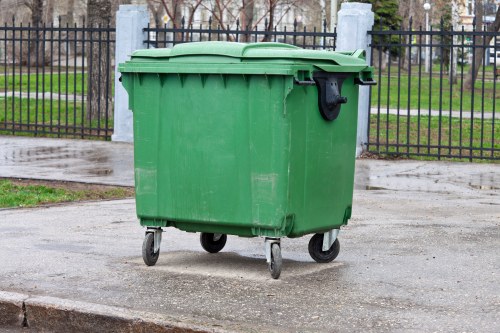
Commercial waste removal in Maida Vale should be organised around the way your premises actually operate: how waste is produced, where it is stored, and when it can be moved without disrupting staff or visitors. We provide a practical collection service for business waste, helping offices, shops, hospitality venues and other workplaces manage unwanted materials in a straightforward way. The emphasis is on regularity, clear communication and responsible handling so that waste does not build up around working areas.
Our service is designed for businesses that need more than an occasional clear-out. It can cover mixed office rubbish, packaging, broken items, redundant fittings and other non-hazardous commercial waste that is suitable for collection and disposal. Where items are reusable or recyclable, we work to separate them appropriately so the load is treated with care rather than simply bundled together. If you need a quotation, use the contact details on the site or request one through the relevant page.
Because commercial waste often includes different material types, the collection plan should reflect what is present rather than relying on a one-size-fits-all approach. Some customers need help with routine waste that appears every week, while others need a one-off clearance after a move, refit or storage change. In either case, the goal is the same: remove the unwanted material efficiently, keep the process clear for the client, and leave the premises ready for normal use again.
Business waste collections that fit your workflow
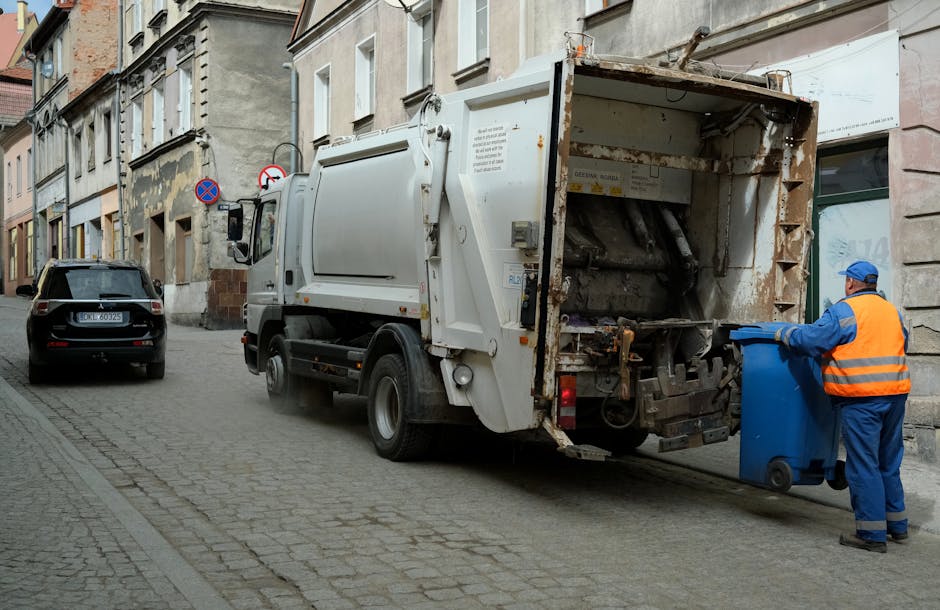
Business waste removal is most effective when the collection process follows your working pattern. That may mean timed pickups to avoid busy customer hours, or a planned clearance outside normal trading periods. Our approach is geared towards keeping disruption low while making sure rubbish, packaging and miscellaneous office waste are taken away in an organised way. The service is suitable for ongoing waste streams as well as occasional heavier clearances after changes in layout or occupancy.
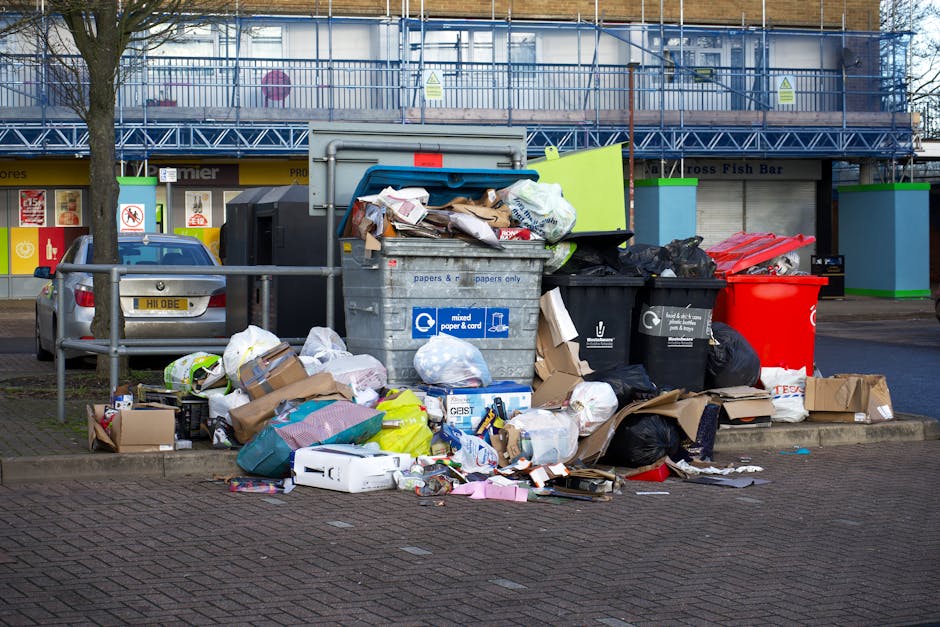
For many premises, the main challenge is not the volume itself but the variety of what needs to go. Cardboard, paper, display items, shelving components and general clutter can build up together, which makes sorting and removal slower if it is left too late. Clear segregation at source can help, but we can also work with mixed loads where the waste needs sorting as part of the collection process. That keeps the service practical for day-to-day business use.
Typical commercial waste jobs may include the following:
- office rubbish and paper-based waste
- packaging, cartons and transit materials
- redundant furniture and loose fittings
- mixed non-hazardous business waste from clear-outs
Office clearances and workspace waste
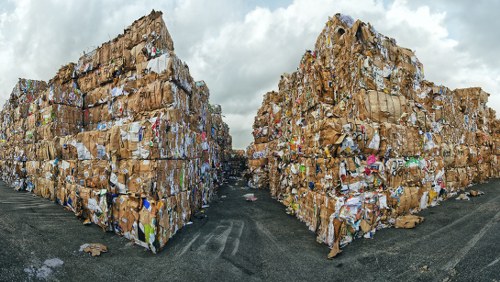
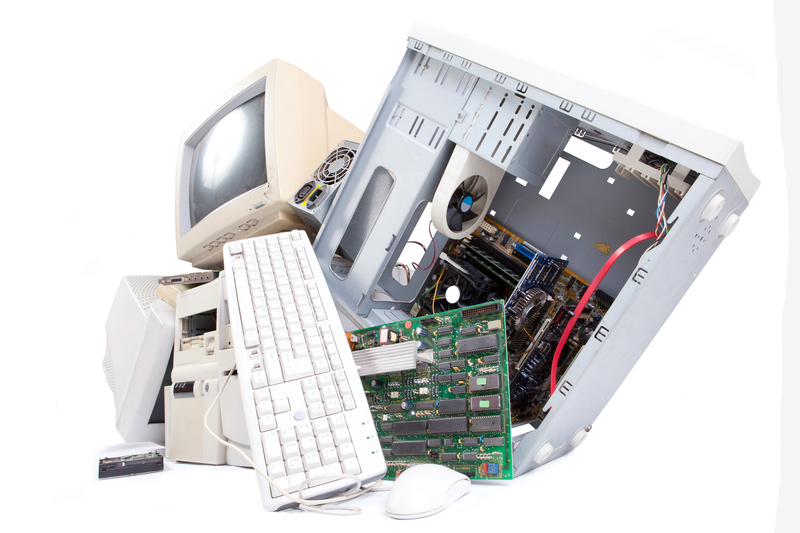
Office waste removal is often needed when desks are reconfigured, storage areas are reduced or equipment reaches the end of its useful life. We can remove unwanted office items that no longer support day-to-day work, including old furniture, broken accessories and accumulated waste from cupboards, meeting rooms or shared areas. The aim is to create a cleaner and more workable space without turning the process into a major interruption for the business.
When offices are being refreshed, the waste can come from several stages at once: dismantled shelving, packaging from deliveries, obsolete files and furniture that has been replaced in phases. Our service can be used for a full office clearance or for targeted removals from specific rooms, storage zones or departments. We also handle mixed loads with care so that useful material is not mixed in with items that are no longer needed. That detail matters when a business wants order rather than simple disposal.
A clear plan helps, but it does not need to be complicated. A basic description of the items, the access available and the general timing is usually enough to start a quotation. If the clearance is more involved, photos or a brief inventory can help establish what needs to be removed and whether separate loading arrangements are sensible. Once the job is agreed, the focus is on keeping communication simple and the collection process controlled.
Shops, units and customer-facing premises
Commercial waste removal for retail and customer-facing premises often needs to be fitted around trading hours, deliveries and customer access. We can remove packaging, display waste, broken stock fixtures and other unwanted materials that appear during day-to-day operations or during a seasonal reset. This type of waste is often light enough to move quickly, but awkward in shape or volume, so a methodical approach is useful even when the material is not especially heavy.
Retail work can also involve regular small accumulations that become inconvenient if they are left in back-of-house space for too long. Empty boxes, damaged promotional materials and surplus fittings may not seem urgent individually, yet together they can make storerooms harder to use. Our service is designed to reduce that build-up and keep the clearing process manageable. For shops with changing stock or promotional layouts, the ability to remove waste promptly can be just as valuable as the removal itself.
Where a business is planning a refit or a stockroom reorganisation, it is sensible to identify what will stay on site and what needs to leave. That makes the collection easier to prepare and helps avoid unnecessary handling. It also means any reusable items, recyclable materials or large pieces of packaging can be considered separately before loading begins. If you are comparing options, ask for a quotation that reflects the actual load rather than an assumed one.
Collections for hospitality and managed spaces
Restaurants, cafés, managed venues and similar workplaces often generate waste that is spread across preparation areas, storage rooms and front-of-house spaces. Our commercial waste removal service can be used to take away redundant items, packaging, broken fixtures and other non-hazardous waste that needs to be cleared efficiently. The service is built to support places where space is at a premium and where waste cannot be left to accumulate unnoticed.
In hospitality settings, waste loads may be affected by seasonal changes, menu updates or interior refreshes. That can create a mixture of cardboard, damaged items, old displays and general refuse that needs sorting before removal. We work to keep the load organised and to remove it in a way that suits the premises, rather than forcing the business to adapt to a fixed collection model. The result is a more practical service for sites that need flexibility.
For larger or multi-room clearances, it helps to think in terms of access, volume and material type. A small amount of wasted packaging can usually be handled quickly, while larger clearances may benefit from a staged removal plan. If you want a simple starting point, list the main items, the floor level and any narrow access points. That is often enough to shape an accurate quotation and avoid unnecessary delays when the job is booked.
What we can remove and how it is handled
Commercial waste removal covers a wide range of unwanted materials, provided they are suitable for the service and can be managed safely. We can remove general business waste, mixed non-hazardous rubbish, redundant fittings, office furniture, packaging and other items that no longer serve a purpose on site. The focus is on taking away what the business no longer needs while handling the material in a careful and orderly way.
Some items are more awkward than others because they are bulky, awkwardly shaped or part of a larger clear-out. In those cases, the work is less about speed alone and more about sequence: what comes out first, how it is moved, and how the load is arranged for disposal. Our service is intended to make that process simple for the customer. Where appropriate, reusable or recyclable materials can be separated from the rest of the load so the removal is more considered.
Examples of suitable commercial waste include old desk units, broken shelving, cardboard overspill, warehouse packaging, loose office clutter and obsolete display materials. Not every item from every business setting is appropriate, so if your waste includes restricted materials or items needing specialist treatment, it is best to identify them early. Accuracy at the start keeps the quotation relevant and helps avoid confusion on collection day.
Practical steps that make a collection smoother
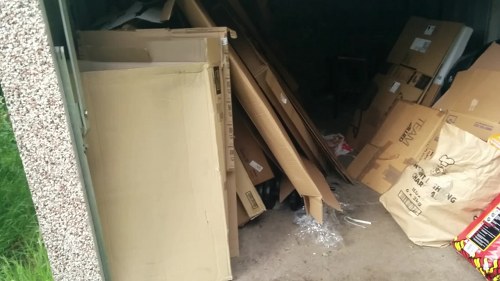
Good preparation does not need to be time-consuming. A short note about the quantity of waste, the type of items and the easiest access route can be enough to begin a quotation. If the waste is spread across several rooms, a brief description of which areas are involved helps the collection team understand the scale of the job. This is particularly useful where a business wants removal to happen efficiently with minimal interruption.
It can also help to group similar items together before the collection takes place, especially where there are bulky objects mixed with lighter rubbish. That makes it easier to assess the load and reduces the chance of useful items being overlooked. If there are obstacles such as narrow stairways, loading restrictions or limited parking, mention them in advance. The more clearly the job is described, the easier it is to plan the removal without guesswork.
When asking for a quotation, you do not need to create a detailed report. However, a few basic details will make the process better for everyone:
- what type of waste needs removing
- roughly how much there is
- where the waste is stored
- any access or timing considerations
Prices, scope and choosing the right level of service
Commercial waste removal pricing usually depends on the amount, type and accessibility of the waste rather than a fixed formula. A compact office clear-out is likely to be different from a broader business clearance involving bulky items, multiple rooms or awkward access. That is why a quotation should reflect the actual job in front of the team. The more clearly the waste is described, the easier it is to estimate the work in a way that is fair and realistic.
Some customers only need a one-off collection after an office rearrangement, while others want an arrangement that supports repeat waste generation. Both can be handled, but the service should match the pattern of waste rather than assuming every site needs the same setup. If the work includes large furniture, mixed waste and packaging together, it may be more sensible to organise the collection as a single clearance rather than several smaller visits. That can simplify planning and reduce confusion on the day.
When comparing service options, think about the type of materials involved, the amount of space they occupy and whether they can be prepared in advance. A considered plan often produces a cleaner result than simply removing items with no structure. If you are ready to discuss your needs, request a quotation and include enough detail to help the job be priced properly.
About Maida Vale
Maida Vale is a west London district within the City of Westminster, known for its broad residential streets, mansion blocks and long-established canal-side character. The area takes its name from the Maida Inn, which itself was associated with the Battle of Maida in 1806, and the district developed significantly in the nineteenth and early twentieth centuries as London expanded westward. Much of its present-day identity comes from the mix of late Victorian and Edwardian housing, interwar apartment buildings and the calmer, more ordered street pattern than is often found in central London. Paddington Recreation Ground is one of the area’s best-known open spaces, offering sports facilities and mature planting, while the Regent’s Canal forms a distinctive route through the locality and links it visually with neighbouring parts of north-west London. The canal towpath, bridges and waterside buildings contribute to a quieter atmosphere close to the urban centre. Maida Vale is also associated with Little Venice, a waterside district where canal basins and tree-lined streets meet, giving the wider area a recognisable mix of domestic architecture and open water. The neighbourhood has long had cultural associations too, particularly through music broadcasting and recording, and the built environment still reflects a settled inner-London community rather than a constantly redeveloped quarter. Its character comes from the combination of elegant housing, local greenery, canals and a central position that remains closely connected to the rest of Westminster and beyond.
Clearance support for larger business changes
Some commercial waste jobs are tied to a wider change in how a workplace is used. A relocation, refurbishment or storage reduction can create a mixed load of unwanted items that is more involved than ordinary rubbish. Our service can be used to clear those materials in a structured way so the site can move forward without clutter hanging around. This is especially useful where bulky items, old fixtures and packaging appear together during the same project.
For this kind of work, the most useful details are usually the ones that affect handling rather than the ones that sound most dramatic. Tell us what needs to go, whether anything is particularly large or awkward, and if the waste is concentrated in one area or spread throughout the premises. That allows the collection to be matched to the job properly. If a business wants a neat handover after an internal move, a single scheduled clearance is often the simplest option.
We also understand that not every workplace can pause while waste is removed, so collections should be shaped around normal use of the premises wherever possible. If there are times when access is easier, those can be built into the plan. Practical timing, sensible loading and straightforward communication all help the service feel smooth rather than disruptive.
Materials that need extra care

Most commercial waste can be dealt with as part of a standard non-hazardous removal, but some materials deserve extra attention because they affect handling, segregation or disposal requirements. That may include items that are brittle, very bulky, mixed with sharp edges or combined with ordinary waste in a way that makes the load harder to organise. Care is especially important when furniture, fittings and packaging are all present in the same clearance.
For businesses, the main benefit of careful handling is predictability. When the waste is assessed properly, the collection is less likely to run into avoidable problems, and the client has a clearer view of what the service covers. That matters whether the job is a small office tidy-up or a larger removal from several rooms. If any material is unusual, mention it early so the quotation can account for it sensibly rather than treating everything as identical.
When you are ready to move forward, use the site to book your collection or request a quotation with the details of the waste you want removed. A short description is usually enough to begin, and a clear explanation of the items helps make the next step straightforward.